Pressure Washing · getting started
How to start a pressure washing business
Starting a pressure washing business means registering a business, getting insured, buying your first equipment, and pricing your first jobs by real cost instead of a guess. Here's the order to do it in, what it actually costs, and where new operators lose money in the first year.
Last updated September 18, 2026
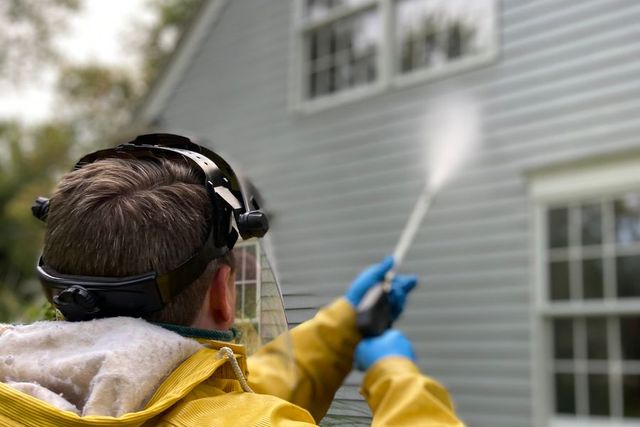
Six steps to get running
-
Get licensed and insured
Register your business and get a general liability policy — $1-2M in coverage is typical. Some states require a contractor or applicator license for exterior chemical use, and some cities regulate wastewater runoff from cleaning jobs — check both before your first job.
-
Buy your first rig
A gas-powered pressure washer with a small trailer or truck-bed skid setup is enough to start. Budget for a water tank, hoses, and a surface cleaner attachment alongside the washer itself.
-
Price your first jobs correctly
Flat per-square-foot pricing ignores surface type and soil level. Use a cost-plus formula covering labor, chemicals, and water/fuel from your first quote — see the full pricing guide for the formula.
-
Find your first customers
Set up a free Google Business Profile, post in local Facebook groups and on Nextdoor, and ask every satisfied customer for a review. Demand is seasonal — spring is peak, so early marketing pays off.
-
Track jobs and get paid
Even one rig needs a system for quotes, jobs, and invoices — a notebook or text thread stops working the moment you're double-booked. Start with a simple spreadsheet template rather than committing to expensive software on day one.
-
Grow beyond the first rig
Once you're consistently full, the next bottleneck is usually crew labor and commercial accounts — that's the point to start tracking chemical costs and recurring customers separately from one-off jobs.
What it actually costs to start
| Startup cost | Typical range |
|---|---|
| Pressure washer (gas, hot or cold water) | $1,500–$8,000 |
| Trailer or truck-bed skid setup | $1,000–$5,000 |
| General liability insurance (annual) | $500–$2,000 |
| Business registration & permits | $50–$500 |
| Typical total to start | $3,000–$15,000 |
A truck-bed skid setup keeps costs near the low end; a dedicated trailer rig with a surface cleaner and larger water tank pushes toward the top.
Common early mistakes
A heavily oxidized driveway or greasy commercial kitchen exterior costs far more in chemicals than a routine house wash — a flat rate treats them the same.
Some cities regulate wastewater runoff from cleaning jobs. Finding this out after a complaint is far more expensive than checking first.
Chemical cost is the line most flat-rate quotes ignore — it can run two to three times higher on heavily soiled surfaces.
Price your first job with the formula, free.
Free profit calculatorReady to price every job, not just the first one
The Advanced Quote & Pricing Calculator
The same pricing formula from this guide, built into a workbook, so every quote after the first one is just as accurate.
FAQ
- How much does it cost to start a pressure washing business?
- Most operators start for $3,000–$15,000, mainly the pressure washer and rig setup. A truck-bed skid unit keeps costs near the low end.
- Do I need a license to start a pressure washing business?
- You'll need a standard business license and general liability insurance everywhere. Some states also require a contractor or applicator license for exterior chemical use — check before your first job.
- Is pressure washing a profitable business to start?
- It can be, with relatively low equipment costs. Profitability depends on pricing by surface type and soil level rather than a flat per-square-foot rate.
- Do I need a special vehicle for pressure washing?
- No specific vehicle is required. Most new operators start with a truck-bed skid unit or small trailer, no CDL required for typical setups.